Gabriëlle Rutten - The Hidden Origins of Clinical EFT and Where It’s Heading Next
Listen or watch on your favourite channel
Show Notes
This podcast episode featured Dr. Gabrielle Rutten, the appointed successor to Gary Craig, discussing the evolution of EFT (Emotional Freedom Techniques) and the introduction of Optimal EFT. Gabrielle shared her journey from medical doctor to EFT practitioner, explaining how Gary Craig originally developed both EFT tapping and EFT meditation (now called Optimal EFT) with a spiritual foundation that was later simplified for wider acceptance.
She clarified that EFT techniques properly refers to the combination of both EFT tapping and EFT meditation forms, emphasizing that both approaches are necessary for comprehensive EFT practice. Gabrielle discussed how Optimal EFT involves connecting with an "unseen therapist" for spiritual guidance while maintaining the technical aspects of stress pattern resolution, and she expressed her vision for unity within the EFT community to advance the practice professionally and personally.
Takeaways
- Gabrielle's path from medical doctor to EFT practitioner was driven by dissatisfaction with symptom-focused medicine, leading her through NLP, integrative medicine, and eventually EFT after finding relief from her own migraines and back pain.
- EFT should properly be called "Emotional Freedom Techniques" (plural) because it encompasses both EFT tapping and EFT meditation — two distinct but complementary approaches.
- Optimal EFT, launched in 2014, is a meditation-based form that invites connection with what Gary Craig called the "Unseen Therapist," emphasising a spiritual or higher-self dimension of healing.
- Tapping remains the preferred approach for trauma work due to its structured and controlled nature, while Optimal EFT serves a different but equally important purpose.
- Surrogate and imagined tapping can be effective — recent fMRI studies show brain activity during mentally imagined tapping, supporting the idea that healing happens in the mind.
- The mind plays a central role in physiological regulation, including switching between stress and relaxation responses, which underpins how both forms of EFT create change.
- Gabrielle emphasises that effective practitioners must be "healed healers" who have done substantial personal EFT work before guiding others.
- Her vision for the EFT community centres on unity, collaboration, and precision — ensuring EFT develops in ways that serve both professional practitioners and self-help users alike.
Transcript
Please note: this transcript is unedited.
0:08
Welcome back everybody to another episode of the 4th Wave in Therapy.
0:12
And I am absolutely honoured.
0:14
I'm, I'm truly honoured in this episode to actually be joined by our very special guest.
0:19
And I want to introduce you to Doctor Gabrielle Rutan.
0:22
She is a medical doctor by background with early experience in internal medical research.
0:27
Now Gabrielle and I were just talking, I didn't share, but my daughter is pursuing the medicine pathway as well.
0:34
But you began exploring practical, integrative approaches to health and well-being along this journey.
0:40
Gabrielle, of course, is trained in emotional freedom techniques, EFT more than 23 years and been training practitioners internationally, worldwide and grounded in gold standard EFT.
0:50
We're going to start to unpack this and expanded into optimal EFT.
0:55
Gabrielle is a Gary Craig certified official EFT Master, and it's a little bit about a sneak peek into what we're going to talk about today because in 2026, which is the year that we're recording, Gabrielle stepped into a significant leadership role as the appointed successor to Gary Craig.
1:14
And I'm having goosebumps as I read this because anyone listening in that might know the EFT world knows that Gary has transitioned and passed, so has handed the reins to my very special guest online today.
1:26
And Gabrielle is continuing the development and teaching of EFT in its full scope.
1:31
And it is what we want to unpack today.
1:33
So thank you and welcome to the 4th wave in therapy.
1:36
Gabrielle, thank you so much for having me.
1:39
I'm so excited.
1:41
And yes, I just can't wait to dive in and and share as much as we can with your audience.
1:49
Wonderful.
1:49
Thank you so much.
1:50
And I would love you to start purely because I have a daughter in the household who is pursuing the medical pathway and now my other daughter's pursuing the psychology pathway.
1:59
So they're both, you know, little bit of mum in maybe both of them.
2:02
You know, you nice.
2:04
I know, I know I must have rubbed off somewhere.
2:07
You started as a as a medical doctor.
2:10
So obviously that was your journey, that was your education.
2:14
But somewhere in that journey something made you, I don't know whether you are looking outside, you're seeking more.
2:22
What was it?
2:23
What was it that made you look for other approaches and ultimately you've ended up in the EFT world.
2:28
What?
2:29
Tell us the story.
2:31
Yes, yes.
2:33
So, yes, even during my studies, cause in, in, in the Netherlands, it's called studying medicine.
2:40
That's it.
2:41
You know, if you go to medical school where you, you study medicine and that is exactly what you're studying.
2:46
So early on I thought this can't be all there is to it 'cause they were just telling me what medication to prescribe for what symptoms.
2:55
And I thought that was really weird.
2:59
I like biology in school, but I, I, I know I was very interested in how the body works, etcetera.
3:06
Not so much the mind, mind you back then, but yes, how the, how the body works.
3:14
But I found that very strange.
3:16
I did, however, finish, you know, medical school and became a regular doctor, you know, the ones with the white coats and the stethoscopes, etcetera.
3:25
And so I worked in the internal medicine and, and ended up in doing clinical research, which still is a love of mine in the sense that I, I, I'm really keen to not just do anything or follow anything that just sort of, you know, piques my interest, but I, I really want to know.
3:44
So how does it work and, and, and do we have evidence that it is working and why is it working etcetera.
3:49
So I think All in all, I, I, I, I'm, I'm, I'm, I think I, I worked in, in a clinical, in a clinical setting for about 6 years.
4:00
And I was truly unhappy with how, first of all, how especially doctors treated their patients just like, you know, cases of symptoms, so to speak, not persons and not in, you know, not not interacting really with the person.
4:20
I was more impressed with how how the nursing staff would deal with with the patients.
4:26
And so I was really unhappy.
4:28
So I decided that I didn't like to focus the focus on the something wrong in your body.
4:34
You can't do stuff, you need medication, you know, prognosis, etcetera.
4:40
And then a friend of mine turned to occupational medicine I and I made that transition.
4:49
Why?
4:49
Because that focus on So what is possible, what is still possible?
4:54
Where do we need to meet, you know, whatever you need to be able to work, etcetera.
4:59
So I, I really like that focus a lot better.
5:02
Also, I liked the focus of being, you know, in a, in a working or functioning context and helping decide, you know, what do you need to be able to work or do whatever you want to do.
5:15
I mean, I'm you don't nobody has to work in my opinion.
5:19
So I did that for 10 years.
5:21
I like that a lot better, but it's still really still so focused on the something wrong.
5:30
And then somebody took ANLP neurolinguistic programming course.
5:36
One of the, the, the, the patients, the workers that I was, I was coaching into staying into, in into her work situation.
5:46
And she came back after the course.
5:48
She came back and she was really, you know, changed.
5:51
Like she looked at things differently, she handled things differently.
5:55
And I thought, so this is really interesting what happened here.
5:59
And that made me decide to go to that course and do Neuro linguistic program, as did Gary Craig.
6:08
Gary also.
6:08
And I did too.
6:09
It was, I did too.
6:11
I did too.
6:12
So there must be something around that field that I started there as well before EFT.
6:17
Yes.
6:17
Yeah.
6:18
Yes.
6:18
Oh, that is so interesting.
6:19
Yes, yes, yes.
6:20
I really enjoyed that field in the sense that you understand that we're, you know, we are programming ourselves constantly, we are learning our behaviour and that really, you know, in hindsight, obviously in hindsight, that sort of laid down a nice foundation.
6:39
Obviously my medical knowledge is not lost, but I do use it in a completely different way.
6:46
So NLP started me off, you know, sort of turning away from the really, you know, Western oriented medical view things and more to So what happens in the mind and how do we, you know, act the way we act and what can we, you know, successfully change about that?
7:04
And in that time, Long story short, I read an interview from a pediatrician in the hospital that I took my training in, in the in Amsterdam.
7:17
And she did something, what that was called integrative medicine.
7:21
And I thought, hang on, that's interesting.
7:23
So, so what's this exactly?
7:26
And so being familiar with the hospital, I, I really, you know, in hindsight, these are those, you know, those strange things that you think.
7:35
So what made me do that?
7:36
Because I wasn't that outgoing at that at the time because I was in my early 30s, I think.
7:42
Yeah, must be.
7:43
I'm not.
7:44
You know, I don't keep track of history that good.
7:46
But I was somewhere early 30s and I just walked into the hospital, knew where the pediatric ward was and knocked on her door and said I would like to get to know you.
8:00
Can we, do you have time?
8:01
Can we talk?
8:03
So she was sort of surprised, but that got me started on this path of integrative medicine, which looks at, you know, it's found, it's foundation obviously isn't in Western medicine, but it also looks at all kinds of alternative methods and approaches and a more holistic view on things.
8:24
So before long I was board member of the Dutch Integrative Medicine Foundation.
8:33
I did that for I guess some 6-7 or eight years, something like that.
8:37
So we, we really worked on developing this view, this integrative medicine view, but it was still, you know, firmly based on this Western idea of the body is, you know, very intricate machine thingy.
8:54
And if you know, if you're I'll something went wrong.
9:01
And that made me in early 2003, I, I was away.
9:11
I, I worked for the United Nations for three years.
9:13
I was abroad.
9:14
So I came back to the Netherlands and noticed that people were talking about the, the law of attraction.
9:24
So I was thinking, So what is this that you know, the little book that so I I went on Internet and I looked up law of attraction and then a coach using EFT practicing the law of attraction.
9:38
So I thought EFT now what is this?
9:40
So I go abroad for three years and I completely lose oversight of what all these abbreviations are.
9:45
So I looked up EVEFT.
9:47
What did you find that?
9:50
What did you find when you looked up EFT?
9:52
I, I, I, I actually found Gary's website quite, you know, I, I ended up in his on his website site, IMO free.
10:02
You know, I'm being trained as a doctor.
10:04
I was thinking weird.
10:06
What's this tapping on Meridian points got, you know, are we going crazy?
10:13
So I was really sceptical.
10:16
I'm glad because I was too.
10:17
And it's nice when you hear someone else kind of go, Oh no, that seems a bit strange.
10:24
So yes, weird.
10:26
But again, you know, in hindsight, I was intrigued because because he, I like the guy.
10:33
I liked Gary.
10:34
I thought he was really nice and, and, and gentle.
10:38
And I looked at a few of his videos and then one of his videos said, just tap along.
10:45
So I thought, well, you know, nobody's watching.
10:47
I'm alone in my study, let's do this.
10:49
So I started tapping along with what Gary was doing.
10:52
And lo and behold, after a walk and I was intrigued and I felt calmer immediately.
10:59
So I thought something is happening.
11:01
And I did, you know, I did have some rudimentary knowledge about acupuncture and meridians, etcetera.
11:09
And I wasn't, you know, I, I wasn't completely against that in the sense that even though I was still, you know, firmly rooted in the, the whole, the Western story, so to speak, I did find that very interesting.
11:22
So I did understand that this was based on something to do with, you know, energy and, and meridians and what have you.
11:31
And that was because that was my very first purchase online with my credit card and I was scared to do that because that was the very, and I thought and maybe you know, somebody will use my credit card etcetera.
11:46
But anyways, you know, I did buy his video set and started looking at it And in three months time that got me rid of my severe migraines, migraine headaches I had at the time.
12:01
And like 6 months later and I was, you know, I was, it was like a hobby.
12:05
I, I really enjoyed doing that.
12:07
And six months later, my lower back pains that I had for 20 years were gone too.
12:12
And so being, you know, considering myself a smart cookie, I thought, hmm, something happened here, Let me dive in even further.
12:19
And that's, that's, that got me started in EFT.
12:22
So that's fantastic.
12:24
I love, I love hearing these stories.
12:25
And you're such a in this world as well that I love that you were sceptical as well.
12:31
It wasn't just me going to my colleague.
12:33
What are you talking about?
12:34
That's the most ridiculous thing I've ever heard.
12:36
And obviously decades later, exactly.
12:39
So most of our listeners would be a little bit familiar to just the EFT kind of world and tapping.
12:46
But can you talk a little bit about, you know, where the work evolved to gold standard EFT?
12:53
So I too, and I still to this day own the set of DVDs from Gary Craig because my journey actually did start with his training and then obviously came to local people.
13:03
But so tell us what?
13:06
Because I want to dive into optimal EFT, but the gold standard EFT.
13:10
Tell us what that represents, right?
13:13
Yes, yes, yes.
13:15
Thank you for that opportunity.
13:16
So here, here's the how it went.
13:21
Probably nobody or hardly anybody knows that Gary really is a front runner because from the very start when he started looking in, you know, he, he, he'd started with Roger Gallahan.
13:33
And so he was looking at, at tapping on Meridian points.
13:36
But he was also a, a student of a Course in Miracles.
13:39
Are you familiar with the Course in Miracles?
13:40
Yes, yes, I am.
13:41
Yes, yes.
13:43
And so from the very beginning, when he transitioned into, you know, working in finance and, and having his own company into doing more coaching and, and personal development, etcetera, he was really keen to establish what he that he later on called optimal EFT.
14:02
So from the very start, he wanted a more spiritual oriented way of working.
14:09
However, when he shared this with his, you know, the people around him, people were just like, you know, whoa, what's this?
14:18
So he, he early, early on decided that's, you know, a bridge too far.
14:23
I'm from the Netherlands.
14:24
You know, this, this movie, A bridge too far.
14:26
So A bridge too far.
14:28
So he decided, let's, let's do something first.
14:31
You know, the first step is EFT tapping because you know, there's more, you know, more clear, there's a more clear foundation on what we're doing because we're working with the Meridian system, even though that, that back then was also, you know, considered strange, But still, it was a, a smaller step to take than, you know, diving into a more spiritual approach.
14:58
So I'm, I'm, you know, so he started developing EVT tapping, released his manual.
15:07
Then I thought, oh, I, I don't know, did you did you did, were you engaged in the very beginning when, when Gary launched his manual?
15:15
Yes, yes.
15:16
And I, so I still have a copy and truly our this way, it's full circle.
15:21
Our very, very first clinical trials that we ever ran at the university used that manual.
15:27
So we did use the protocols and and I got to tell him that last year when I did oh, I had a zoo with him, which was wonderful.
15:34
So yes, so we did and then yes, years went on and the EFT manual and things like that, you know, obviously the references got changed, but no so and I still have it, I still have it bound.
15:46
I still have the drawings in there.
15:48
If anyone is familiar.
15:50
Yes, just the basic recipe and the little pictures and you know, it was and the little the business with the television set.
15:57
Yes, yes, yes, yes and the batteries yes, yes, yes, yes.
16:02
And I thought that I was so inspiring that he shared the with the world, so to speak.
16:07
You just freely gave that away.
16:09
Now, obviously he, he, he himself said later on, I was a bit naive in thinking that people would stick to that protocol that I developed, although I mean, I should be honest in saying that.
16:24
I mean, he's recorded on his own video saying this is what I did, you know, take it and develop it further, etcetera.
16:31
So he did invite people to invite, you know, to sort of develop it further, etcetera.
16:36
But he also had this, you know, this picture in mind that his original work would stay the same, but it did got got diluted, I guess in a sense.
16:48
And this is the reason why after a sabbatical in 2010, he decided, okay, so now I just want to make sure that people understand that my original form, which did develop over time, because in the old days, he would do the startup phase three times and do the gamut procedure that, that has been dropped as such from the, the, the protocol that he established as the gold standard EFT protocol in 2011.
17:19
So that's how that came about.
17:23
Meanwhile, in that sabbatical he took, he really, he decided, So now if I come back, I really want to focus on a more spiritual approach and I'm so happy that he was able to launch that in 2014 and decided to call it optimal EFT.
17:45
So now we have EFT tapping and we have EFT meditation, you know, to distinguish between the two.
17:54
So basically even obstacle EFT is his latest development, but it was his original plan.
18:02
Is that interesting?
18:02
Something I didn't know that that actually was where he was coming from.
18:05
But the structured protocol he put together was the first step.
18:08
That was, yeah, an easier bridge for people to kind of cross.
18:12
Yeah, that's really interesting to know because I was unaware of that.
18:15
I knew the iteration later when he came back.
18:19
But right.
18:19
Yeah.
18:20
Thank you for sharing that.
18:21
So tell us a little bit more than about the EFT meditation, the optimal EFT yes.
18:29
So it it in Dutch would say if you really know, you squeeze it down and make it flat.
18:36
This is the expression we use in Dutch.
18:39
EFT tapping is about, you know, uses tapping points.
18:43
So there's a a tapping protocol involved.
18:47
EFT meditation.
18:48
There is a meditation involved, sure, but optimally, if he's so much more in the sense that it really invites you to, you know, go, basically go on a personal spiritual journey, if you will.
19:06
You don't have to be, you know, spiritual in the sense because I'm always a bit careful if people say, oh, I'm so spiritual.
19:14
No, it, it's more about, you know, there's a bigger picture.
19:19
There is it's organizing principle or universe or divine, whatever you want to call it.
19:26
But our story doesn't stop with these little bodies running around in this realm is what my view is.
19:33
Is that your view too, Peter?
19:35
Yeah, absolutely.
19:36
There's so much more than that that it it is hard to kind of quantify sometimes, isn't it?
19:42
It is.
19:43
It is, It is.
19:43
But I, I'm.
19:44
I'm that's what the 4th wave is about.
19:48
It's about broadening our horizons, you know, looking at the bigger picture.
19:54
So optimal EFT is firmly based on the technicalities of EFT tapping.
20:03
Because if you properly.
20:05
You know, apply EFT tapping, you know that you have to translate whatever the problem is into the underlying stress patterns and you have to translate these underlying stress patterns into the very specific events that started the stress pattern and are maintaining the stress pattern.
20:24
Everybody knows this.
20:25
I, I, I would assume that same technicality still applies to optimal EFT.
20:32
So yes, you have to identify where did I learn, you know, the behaviour that I'm, I'm, I'm, I'm doing or did, did negative reaction that I have or the emotions that I have that I, you know, I really don't want to have.
20:50
So the the technicalities are, are based in the same principles, but optimal EFT basically invites you to connect in, in whatever way you want to, to what what Gary chose to call the unseen therapist and he gave that, you know, a female gender because female energy, sort of, you know, most people find that a little more nourishing or caring than masculine energy.
21:22
However, same as with EFT tapping, it's you have to customize the process.
21:28
So if what you know, what we call the unseen therapist has is more masculine for you, it's fine.
21:33
You can say he, but in the you know, in the guided meditation he uses she and up the unseen therapist is, you know, the the power, the force, the energy behind this all or above this all that really, you know, gently helps is get through this life, so to speak, in the sense that we're never we're never alone.
22:00
We're all connected.
22:02
I mean, quantum physics tells you this Gary, you know, in his free ebook, he he sort of rolls out the whole idea behind Optima EFT.
22:11
So it's based in what he called new think in the sense, you know, the broader picture, more holistic and this organizing principle, etcetera.
22:20
And So what optimal if you really tries to do is help you realize that we're not alone.
22:29
You don't, you know, there is, there's this organizing principle, there is help out there if you are willing to ask for it, if you are willing to receive help, if you are willing to, you know, surrender in a way, in a sense, and allow that that help, that nurturing presence to guide you.
22:54
Because in hindsight, I guess your listeners and my students and everybody we meet you, we all have these moments where we think, you know, in hindsight, so many things came together that must have been the must have been some sort of plan.
23:13
Not that everything has been organized beforehand, but things come together in a neat way.
23:20
Same for me, you know, discovering EFT as such.
23:25
And so optimal EFT, I'm digressing a bit, but here we go.
23:29
So optimal EFT it it you start again with because you do can do symptom focused EFT as same as with tapping as well as working specifically.
23:44
So you start with identifying a specific moment.
23:47
You really have the moment so that you really activate the stress response that is, you know, linked to this moment.
23:55
And then you do a guided meditation if you know if.
23:59
If I as a practitioner work with somebody, it, it, it's, it's really a guided meditation.
24:05
I will talk you through it.
24:07
But I also have the basic protocol which everybody can download for free.
24:11
And then you just read and memorize the steps until you're, you're familiar with the steps.
24:16
You take yourself through these steps, which means you become very still and quiet.
24:20
And then you bring yourself in what what Gary has described as a loving state as best as possible, use whatever you need to be to enter this loving state and a nice memory, a loving moment, a person, something in nature, anything goes, anything goes.
24:39
And then from that state of mind, which we need as people, you know, unseen therapist obviously doesn't need that.
24:47
But from that loving state, we then ask for help.
24:51
We ask, please resolve this or help me understand what is happening or whatever you want to know.
24:56
And then you do a silent part of the meditation.
25:00
Then you, you close that part of the meditation and then you start again with reliving the moment so that you again test and see whether you can still activate the stress response.
25:11
So the whole structure is still, you know, it has a little technical steps, if you will, but the, the, there's a, you could even call it loving kindness meditation in connection with what we call the unseen therapist.
25:27
Yeah.
25:28
And tell me if I'm right in thinking the unseen therapist in that moment, because as you're talking through it, I'm imagining doing it to in that moment, I'm in that state of loving kindness.
25:41
And, you know, maybe I've imagined being with my pet or, you know, someone that loves me unconditionally.
25:48
And then I ask in that moment to understand further why a certain behavioural pattern or whatever thought pattern or whatever might be happening.
25:57
Is that an external asking, Gabrielle, or is it an internal asking that could be your higher sense of self, or is it more external or does it not matter?
26:10
Well, you know, in the end, it doesn't matter.
26:12
But I'm convinced it's internal because I feel like it.
26:16
What we call.
26:16
Yeah, yes.
26:18
Well, you know, I mean, we're all connected.
26:21
We're one.
26:22
And so that divine spark or whoever you want to see it is in US.
26:26
And what we call unseen therapist is in US.
26:28
It's our, our, our higher self.
26:30
It's your higher mind, it's spirit mind.
26:33
It's you're tapping into what we really share and where, you know, where there's this beautiful, joyous, peaceful state of being where everything is exactly as it should be.
26:50
And I also, you know, I always say the way we experience ourselves running around in these, these bodies, Gary called it body suits.
27:01
I like that.
27:03
I, I tend to call it our little camper fans.
27:06
I mean, we live in this body and we, you know, we, we, we move around in it, but these are our little camper fans.
27:15
It's like a metaphor.
27:16
It's like a projection, because in the end, I'm, I'm convinced that that we're spirit.
27:22
I mean, we're thought we're so it's definitely mind over matter in that sense.
27:27
And that is, I think so cool about optimal EFT that, that it completely acknowledges that it is mind over matter.
27:35
And if you want to heal whatever you want to heal your mental, you know, your mental state, but also your, your body bodily state, you have to heal your mind.
27:46
It's mind over matter.
27:48
And I love it.
27:48
I love that that's, you know, it all, you know, brings that into one place where you can access that.
27:58
I love it too, because I, I love guided imagery.
28:00
I love timeline therapy.
28:01
I love anything that is accessing even our own inner mentor, which you know, I've got a couple of exercises around that as well.
28:10
Can it be that I'm in that state and obviously I, I asked for help or I asked for?
28:17
Is it is it that I might receive an inspired thought or a memory comes to mind that would allow me to do something with that and that could be with a different modality or something?
28:31
Is it that that kind of thing tends to happen?
28:33
You might go back and double check my stress about a certain situation, but is it that I might take further steps or actions after that kind of session based on the information that I access that perhaps was already within me?
28:47
Is that what?
28:48
Is that typical?
28:50
Well, this is a very good question because there's several layers in doing optimal EFTI mean, like I said before, obviously our ego really wants to keep us in stress.
29:01
So any memory that is stressful, it will use to think, ah, this looks like that stress reaction on etcetera.
29:10
So yes, there's so there's this one level of optimal EFT where you really very precisely make sure that you're severing the link between trigger and stress response.
29:20
For that you need to repeat this one specific event and go through the meditation until every single triggering detail of that event has been neutralized.
29:34
More specifically, the trigger obviously isn't neutralized.
29:37
Your reaction is because the link has been severed.
29:40
That's EFT be that tapping or optimal EFT.
29:43
And so you test this, so you make sure that in the end, and I work with people with, you know, with mental problems, with physical problems, with severe complex PTSD and trauma, etcetera.
29:56
It you know, EFT is done when you can relive whatever happened associatedly as if it's happening right now.
30:05
And your stress reaction is absolutely, you know, turned off and will not switch on again.
30:11
That is EFT.
30:12
So that that's the one of the levels that optimal brings about.
30:17
But there's also this, this level where you can ask for help.
30:21
How do I, how can I ask?
30:23
How should I see this?
30:24
What is happening here?
30:25
And so depending on on actually the, the meditation round and also depending a bit on how, how you know how, how well you are able to calm your mind become very still and quiet and not interfere with your thoughts, your own ego thoughts about what should happen or why it happened and etcetera.
30:45
So to the extent that you're able to really become very still and quiet, anything can happen these in these meditations.
30:53
So to give you a few examples, some people see images like, you know, an image of what needs to happen or an image of what really was the reason why something happened or an image of total peace and, and then happy reconnecting together, etcetera, whatever, you know, whatever the content of the the specific event was.
31:15
So some people see images, others would hear, you know, can hear something.
31:20
I have, I've had various experiences in this sense.
31:25
I, I sometimes see things, I sometimes hear things.
31:30
It's not like a voice, you know, that is talking to you, but it's in your mind.
31:33
It's something.
31:36
Sometimes it's after the meditation, I will walk into a room.
31:40
I, I, once I remember, I, I asked this question during the meditation, what should I do?
31:45
And then I walked into this really cute little bookstore in Amsterdam and, and the books were organized really neatly, but there was this one book that was lying on top of the books and that title.
31:59
I've read that title.
32:00
And I thought that's the answer.
32:02
So yeah, yeah.
32:04
And sometimes, you know, and, and, and Gary has many stories about this and so do his, you know, the the members of of Palace of Possibilities.
32:12
Somebody will say something and you realise that's the answer to my question.
32:18
And so during the meditation, you can, you can.
32:22
It could also be just your being in your loving moment and not, you know, you feel fine.
32:27
And then only by reliving the moment you realize that things have changed.
32:31
So the more, the more you're able to sort of surrender and do do nothing, not nothing actively during the meditation that the better It works in that sense.
32:41
And you can also ask a question and get an answer I either directly during the meditation in various forms or afterwards.
32:48
So it's, it's a, it's a fascinating process.
32:52
As such, I, I just need the recording right now because I want to give this a go.
32:56
Gabriel, We'll make sure there's lots of resources because I'm sure anyone listening, I need to download it and look at the steps.
33:03
Can I, can I ask just because we've done lots and lots of research over the years just with the standard EFT tapping part where people are physically tapping on the pressure points.
33:13
But sometimes we do have patient populations who don't really like that sensation of tapping.
33:20
It could be chronic pain patients, it may be sensory issues, range of different things.
33:26
Do you find optimal EFT probably is an answer for perhaps groups out there or patients, clients who truly don't want the physical stimulation of actually tapping on a pressure point that maybe optimal EFT is an answer for some of that most definitely in the sense that yes, if you don't like the physical tapping, you could also visualize tapping.
33:55
I always, you know, I would suggest you can also visualize somebody else tapping on you.
34:01
I have, you know, quite a few clients of mine that visualize that I tap on them, which is, you know, fine.
34:08
It's they, they do it in a visualization as such, which is fine.
34:12
So that would be an alternative if people don't like the, the tapping process as such, but optimal EFT, you know, over the years, I've been doing it for eight years now.
34:23
It's a I think you need both to be honest.
34:27
I think if you really want to, you know, do the full scope of EFT Marshall freedom techniques.
34:32
You know, this is the reason why it why the the term is techniques.
34:36
Yes, I should explain this yes, with an S because Gary knew from the beginning that he would introduce the other form too.
34:44
So emotional freedom techniques stands for EFT tapping and EFT meditation, the both forms and oh wow, hang on, hang on.
34:52
Let's just rewind that for a moment because hang on, hang on a minute.
34:56
That's that's quite profound because most people in the EFT world were forever correcting putting the S on the end anyway.
35:03
But most people will think EFT techniques with an S is the 48 techniques that perhaps featured somewhere in a manual.
35:11
That is not what you're saying.
35:13
You're saying no.
35:14
Is EFT tapping an EFT meditation That is.
35:19
That's a game changer.
35:21
Yes, it is, isn't it?
35:22
I love that, isn't it?
35:24
Yes, yes, I love that.
35:25
Thank you.
35:26
Thank you so much.
35:27
I hope everyone listening in shares this and moves it forward.
35:30
Absolutely.
35:31
I mean, yes.
35:32
So there's lots of technical techniques with an EFT tapping and there is lots of technical techniques in EFT meditation or optimal EFT.
35:42
But the, the, the, the reason for the S is because there is 2 official forms to work with EFT.
35:51
I love it.
35:52
It's amazing.
35:53
That's just amazing.
35:55
And, and this is what I try to so sort of, you know, roll out a bit more or be more vocal about it and really bring to the table, there's two forms and both are absolutely, you know, absolutely brilliant EFT.
36:12
You really need EFT tapping, especially if you know, there's a lot of agitation or there's a lot of fear or panic.
36:21
It's much easier, literally much easier to tap on yourself or be tapped on than to do a meditation.
36:29
Obviously for obvious reason.
36:30
There's also a more professional reason.
36:33
I think you, you need both or you can't, you know, stop doing EFT tapping and just completely do optimal EFT only because if you do EFT tapping properly for severe trauma, you will guide your client really precisely through their trauma step by step from complete dissociation or as much dissociation as is possible to complete association.
37:01
And only then are you done.
37:03
But those steps are easier done with stepping and asking your client to keep their eyes open and keep eye contact, et cetera.
37:09
So the whole trauma informed approach is absolutely essential I think for a good EFT as such.
37:17
So for optimal EFT, the process is a little more free flowing and there's more, you know, you still need to carefully instruct the client so that they don't because we are so, you know, used to thinking, analyzing, telling ourselves the story and thinking, why is this happening?
37:37
And yesterday it happened like this.
37:39
And before you know it, you're, you know, your mind goes off and you're in your own story again.
37:44
And that's just what we need to train for so that we don't do that during the meditation.
37:49
And so the meditation is a little more free flowing, which gives a little a little less control as an EFT practitioner, if you want to do trauma.
38:01
So you need both.
38:04
I've completely forgot my that you've said that, that yeah, they both have they both have a place.
38:10
They both go together.
38:12
He had them in the beginning, way back in the beginning as both having a role.
38:17
I love that that you've kind of, you know, shared how they both fit with each other.
38:21
And, and I truly hope that, yeah, this optimal EFT wave that has now come into play, certainly been there for decades.
38:30
Yes, yeah, really starts to get more understood and used and utilized out there.
38:36
Yes.
38:37
And I, I, because I was, I was going to say I, you know, I completely lost my train of thought because I wanted to say sorry.
38:42
I So this is no, no, no, no, no, no, no, no, no, no, definitely not.
38:46
But I, I, you know, I sometimes digress.
38:48
And I think, what was I saying?
38:49
So here we go.
38:50
Here we go.
38:51
So, you know, there's lots of similarities in a sense between EFT tapping and EFT meditation.
38:58
In practice, we have noticed we as the people that use optimal EFT, that optimal EFT, the, the generalisation effect is, you know, quite a bit larger in EFT optimal as compared to EFT tapping.
39:16
And I've noticed that with EFT, optimal EFT people tend to get in a more profound peaceful state.
39:27
So I've obviously I've worked with hundreds of people now with optimal EFT.
39:34
And I just want to point out you don't have to be spiritual to do optimal EFT as such.
39:39
I mean, if you just higher self or a connection with nature is fine too.
39:46
I mean, you, you don't have to be, you know, a Buddhist to be able to do optimal Afd.
39:52
But I've noticed that quite a few people are, you know, because you do the meditation after one round, you close, you close off the round.
39:58
And then people, I asked him to break state, open their eyes.
40:02
And quite often clients will go, whoa, I haven't felt this peaceful in a long, long time.
40:11
So I just want to point that out that optimal EVT, I mean, obviously EVT tapping does this too.
40:19
If you properly do this, I would say EVT tapping is a little bit more handiwork, like hands on work.
40:26
And it's, it's a little more technical and a little more step by step by step where it's optimal.
40:32
EVT, you still need that technical so that you really test whether the specific moment has been neutralized and the trigger doesn't work anymore.
40:41
So the link has been severed.
40:43
But there is a more general reaction into joyfulness and peacefulness, which is beautiful.
40:51
Yeah.
40:51
But who doesn't want that?
40:53
Every.
40:53
That's what every client's looking for that walks through the door.
40:56
Absolutely.
40:57
Now, I would love and I would kick myself if I didn't ask this because you're a medical doctor.
41:03
You've got the background and you've embraced all of these kind of, you know, techniques that are really embodied approaches.
41:12
How do you explain what is happening here with these approaches, whether or not we are accessing something internal that's wisdom and our unseen therapist or we're actively tapping on acupressure points.
41:27
What?
41:27
Why do you think these things are working?
41:30
And I know this extends to other embodied approaches as well.
41:33
It's not just unique here.
41:34
But tell me.
41:36
Yes.
41:36
Tell me what's happening.
41:38
Yeah.
41:40
Explain.
41:41
Yeah.
41:41
So here's here's here's how I see this.
41:44
So yes, we have a body.
41:46
Yes.
41:46
There's organs.
41:47
There's a nervous nervous system.
41:49
There's, you know, all kinds of structures that are basically managed from the brain, but the brain is not our mind.
41:57
The brain is an organ like the liver, like the, the spleen.
42:01
And so it's a very important organ in the sense that it's more like a relay station or, you know, like a radio.
42:09
It it, it receives information and it sends out information, but it also, you know, is a very important relay station between our mind and our body.
42:21
But our mind is really the activating actor factor.
42:26
Whatever you want to, however you want to see that from our body.
42:30
How do I know this?
42:32
If I were to drop dead here, that would be unfortunate because that would be a very short podcast as such.
42:37
But you don't have to be afraid that my body would stand up and start doing things.
42:42
So your body is inert.
42:43
It doesn't do anything.
42:45
And we know this, whether we've seen it, obviously, I've seen a lots of the dead people in my, in the course of my, my professional life.
42:54
The body where you know, when your spirit, when you, your personality, your consciousness has left your body, your body really is the how do you do call that in English?
43:08
In, in, in Dutch, we say it's just the the remainder, you know, the remainder material.
43:15
It's it's nothing.
43:16
How do you say that in English?
43:17
Well, it's kind of like the vessel or the right.
43:20
I was thinking of your caravan analogy.
43:24
What did you call it?
43:24
Yes, yes.
43:26
Little camper fan.
43:27
It's just a caravan left on the side of the road, like the camper van.
43:30
Exactly.
43:30
Yes, Yes, in indeed.
43:32
Yes, yes, in the scrap yard.
43:34
The caravan, you know, the little camper van in the scrap yard.
43:37
So your body is in, in my opinion.
43:40
And I've been working with people, you know, for over 40 years, more than 20 years with EFT, and I have absolutely come to the conclusion that it is mind over matter, always, always.
43:57
And So what happens in my view, if you literally quite often on a subconscious level, but if you literally change your mind about something, things will change in your body too.
44:15
You will give other impulses to the body.
44:19
So if we translate it into stress Physiology, yes, if these, you know, switches the body from the sympathetic stress mode to the parasympathetic relaxation mode, fine.
44:31
That's just an explanation of how things are organized in the body.
44:36
That switch is managed from your mind.
44:43
And there's, there's beautiful research in the, in the, the, the 50s, in the last century, Libet and others did research with functional MRI showing that before there, you know, before there's an emotional reaction.
45:01
This isn't something happens in the mind.
45:03
So there is some kind of, you know, something happening there and in a less than a nanosecond, you think something, you come to a conclusion.
45:15
You you again, you perceive something, you come to a conclusion and that decides whether your CES reaction is turned on or not through the amygdala.
45:24
Fine, it's all you know, these organic substrates.
45:29
There's also research on what meditation does and if they, if you look at MRI from really, really intense Buddhist, you know, with intense meditation, the, the area of the amygdala shrinks in the brain, which translate into those less, you know, activation of the amygdala because the amygdala would be the, you know, is the start point for the stress reaction.
46:00
So All in all, whether you explain this through the stress Physiology of your brain, whatever happens in the brain with the amygdala, or you explain this from a mind perspective, your mind switches off the stress mode in your body.
46:25
Yes, you can use a, a, you know, touching and, and, and bodily approaches, which is beautiful.
46:31
Why?
46:31
Because that orients us on the body and we express ourselves through our bodies.
46:36
Our body is important.
46:37
Breathing is important.
46:39
Tapping in an in and of itself has a, a function because it stimulates these Meridian points.
46:45
But that's just an entrance.
46:47
Meditation does the same.
46:50
And, and I think the bridge would be that even if you do surrogate EFT, either tapping on yourself or just imagining tapping, tapping for somebody else, something happens in the other person that that can never be if, you know, tap actually touching the Meridian points or actually, you know, yeah, that would be the important thing.
47:11
Yes.
47:12
I mean, you know, yes, cortisol goes down, you know, etcetera.
47:16
End of end of fines.
47:17
Go is it end of fines?
47:18
End of fines?
47:19
What is it in English?
47:21
Endocrine.
47:22
No, Endorphins.
47:23
Endorphins and dolphins and dolphins.
47:25
So yes, yes, yes.
47:26
So this is my Donglish and my Donglish is, is, is showing its face.
47:30
So anyways, so whatever you know, whatever level you you choose, it's your mind that switches of whatever the reason is for you to think that you need to be in stress mode because you are threatened.
47:44
You are not really that, you know, most of the times you're not really threatened, but you only think that you're under threat.
47:53
So that would be the starting point of most, you know, stress reactions in our daily lives, wouldn't it?
47:59
And I think you make a really interesting point there about surrogate tapping because we don't obviously we don't have any research on this except if you look in the quantum physics kind of realm.
48:11
But yes, anyone listening in that might be familiar, you know, surrogate tapping might be that you're imagining tapping but for somebody else and it that can include pets.
48:23
So I do know and I have chatted over the years to a couple of veterinarians and equine therapists and they have the owner tap on themselves, not physically on the pet, but the pet changes in their behaviour and they're not physically actually tapping on them.
48:41
And obviously at a distance, you know, things like Reiki and energy healing can be done at a distance.
48:49
Loads of research done on those type of modalities and they show that change still happens, which I think comes back to your point that we may not actually have to physically.
49:01
And you mentioned you can imagine tapping and you can still get the same outcomes.
49:05
There's two German fMRI studies now on imagine tapping inside the machine and they showed the brain still did its thing.
49:12
So you don't actually, you don't.
49:15
Did Gary know this ahead of time?
49:17
You don't actually need the physical touch part on a Meridian endpoint or did he intuitively just want to take it a step further?
49:27
No, so, so, so Gary dedicated, you know, in hindsight, 30 years of his life to develop EFTII worked with him rather closely for the last 12 years of this.
49:39
So we did a lot of talking, especially because we also wrote the book EFT from A-Z.
49:44
So Gary, as I said, was a armed student of A Course in Miracles.
49:52
In the Course of Miracles it is explained that it is mind over matter and if you want to, if you want to heal yourself, you have to heal your mind.
50:04
Healing happens in the mind.
50:06
So he was from the very beginning quite aware of the fact that we need to heal our minds and how we perceive things and how we think, you know, and how we come to our negative conclusions, etcetera.
50:19
So he was well aware of that.
50:21
But he did, you know, very consciously choose to, to use a, you know, an, an approach that has, you know, a, a basis in a more physical approach as such tapping acupressure, acupressure.
50:39
But he knew and yeah, absolutely, yes, he was well aware and he was a, he was a wise man to know that the world may have needed a stepped approach, you know, not only not only the people he was sharing it with, but even, you know, from our point of view and acceptance of these things.
50:56
And ultimately one day, you know, medical, medical systems embracing them, you know, the stepped approach sometimes is just.
51:03
Oh, yes, yes.
51:04
So, yeah, major guidance there.
51:07
Yeah, absolutely.
51:08
Major.
51:09
His own insight, the unseen therapist was at play already.
51:13
Oh, yes.
51:14
So sure.
51:15
Now, look, you're stepping into some gigantic shoes here.
51:20
So I've no, no idea what size shoe Gary Craig wore, but you, you have taken on the leadership and I am personally, you know, really, really happy about connecting with you here and hearing this because I just think what a wonderful kind of legacy that you know, has come your way that you're taking forward.
51:42
What do you hope or what is your vision then of EFT tapping, EFT meditation, optimal EFT in the gold standard approach, Tell the world, what is Gabrielle going to do?
51:57
Oh, no, no pressure, no pressure.
52:00
So, so yes, my, my, my focus, my wish actually is that we in EFT land, we come together.
52:18
We don't, I think there's too much division and I think, yeah, I think that so little differences, there's little differences, you know, you're and big differences.
52:32
Obviously.
52:34
I think the the most ideal development in EFT land would be that we truly come together as one in EFT.
52:46
You know the EFT community as such that we find each other and inspire each other to really, really make sure that people.
52:56
But whether they want to use it as a self help method or you want to use it professionally, that we really compare notes and distill truly the best practices of, you know, EFT as such, both forms, obviously, I want to both forms to be embraced by the world.
53:19
And so on the one hand, I think you're a good practitioner if you understand that only if you're, what would they call a healed healer?
53:28
If you do your own work, if you got, if you take responsibility to really walk your talk and use EFT to resolve stress patterns and unwanted behavior in a way that gives you space, room to be there for the other.
53:46
Because we don't do anything.
53:47
I mean, we have to get ourselves out of the way and we're only making this process possible.
53:53
And yes, there's technical details.
53:55
Obviously I'm very fanatical about that.
53:58
But my, what I want to, what I want to bring to the table is let's unite and develop EFT in a very precise way so that everybody can reap benefits, be that you as the professional and doing EFT with your clients and everybody wants to use it themselves.
54:25
So I'm looking for, you know, unity, cooperation, professional courtesy.
54:34
Yeah, yeah, I love that and I'm with you.
54:38
So you heard it here first, everybody.
54:40
It's about alignment and I'm with you.
54:42
I think everyone's got so much to offer and coming together.
54:46
It's like the gestalt kind of concept of, you know, the parts can add up to be more.
54:53
And the people that benefit from that are the people out there in the world who need all of EFT, you know, they will benefit the most.
55:02
So yes, I'm with I'm, I'm with you.
55:05
Alignment, unity.
55:07
Good, good, good.
55:09
Right.
55:09
Let's just put it down right.
55:10
Paper.
55:12
I'm, I mean, I mean emotion.
55:13
Yeah, yes, yes.
55:15
But you see the term emotional freedom.
55:17
You can't seriously think you're a good EFT if you're not emotionally free and are able to relate with everybody.
55:24
Every We're we're brothers and sisters.
55:26
This is 1.
55:26
We're all equal members of one family.
55:30
What the world needs is that we take responsibility to become our, you know, the most loving version ourselves, the the most emotional free because freedom, I think freedom is a very, very, very important concept here.
55:47
And if we are free to be ourselves, what we really are, as Gary said, we can move the world.
55:58
We will, you know, contribute to a better world.
56:01
If we hold on to grievances, if we do not use EFT, you know, for what it's, it's meant to help you with, you're not contributing as, you know, as fully as you could.
56:15
So emotional freedom, folks, that's what it is about freedom.
56:21
It is.
56:21
And if anyone listening right now says, yeah, I want to take this further.
56:26
I want to do some more personal work.
56:28
I want to upskill myself a little bit, you know, and yeah, do that inner work.
56:34
And they want to explore optimal EFT.
56:38
What can they do?
56:39
Tell us where they hit this.
56:41
Yes.
56:42
So the, the, the easiest step would be to, to buy the book which is called EFT from A-Z, which I co-authored with Gary.
56:51
So just everybody.
56:53
Yeah, yes, yes, yes.
56:55
So just to point out, it's the only book and I'm so happy that we got to finish it cause the only book about what, what, what Gary calls official iffy, which means it encapsulates both forms.
57:07
So in the first half of the book, we explain both forms or I explain both forms, what however you want to see it and how to do it.
57:15
And then the second-half of the book we discuss over 200 physical symptoms and ailments and and mental problems and how to deal with that with both forms of EFT.
57:26
So it gives you little protocols to work with.
57:29
And that would be oh, wow.
57:32
So if people think, because yes, on the one hand, EFT has this technical base, but there is room for protocols in the sense that I have various protocols for addiction, for endometriosis, for physical problems, for whatever I have.
57:48
You know, I'm developing a lot of protocols together with my group of EFT masters and my master program.
57:55
And so if they want to explore EFT, there's some, some videos on my YouTube channel which you can tap, you know, tap or meditate along with, because I explained EFT, there's the book.
58:10
And then a step further for people that want to want to learn it for themselves.
58:15
I do a course, an EFT course in which I, I teach both forms and they get one personal consultation with me in which I make an action plan of how to work with both forms to really, you know, be successful in, in tackling your own stuff if you're a professional.
58:32
Yeah, I do EFT of gold standard EFT training for professionals and I do optimal EFT training for professionals and those can be found on my website which is called No Vet EFT.
58:43
And we have that all linked below everybody.
58:45
So it's nice and easy for you.
58:46
You can just click the link and go and find Gabriel.
58:50
This has been I opened with, you know, full circle moment where I got to chat with Gary late last year and now I've been able to connect with you and and the good work that you're going to take forward out of this.
59:01
And it's been wonderful.
59:02
I've learned a couple of things here, Gabrielle today that I'm like, I did not know that and I thought I knew a lot, but that is amazing.
59:10
And I'm, I guess I feel full in my heart to hear that.
59:15
Yeah, you want unity moving forward.
59:18
And there are lots of things that have happened in the EFT kind of space and people kind of perhaps finding other ways to blend different things and I don't know, make it this way and that way.
59:28
And social media has just been a whole different other kind of kettle of fish out there.
59:33
But yeah, for unity and, you know, ultimately for personal healing and freedom.
59:38
Like you say, that's, that's the essence there, isn't it?
59:41
I'm so glad, I'm so glad to have shared this hour with you.
59:44
And I truly encourage everybody to explore optimal EFT and particularly lots of people listening in our practitioners and maybe looking for something kind of, you know, really to extend beyond.
59:57
And it really was Gary's.
1:00:00
Initial kind of offering that he wanted to make to the world.
1:00:02
So it's lovely to hear how that came into play.
1:00:05
Gabriel, thank you so much for your time and your wisdom and your leadership in this space.
1:00:10
I can't wait to see how the future evolves.
1:00:14
Thank you so much, Peter, for having me.
1:00:16
I loved it.
1:00:17
Thank you.
1:00:18
Thanks, everyone, and we look forward to seeing you again.
1:00:21
Please share this with anyone out there you think might benefit and absolutely go and explore Gabriel's resources further.
1:00:27
We'll see you again in another episode.
Resources
Website - Novet: https://www.noveteft.com/
Website - Palace of Possiblities: https://www.palaceofpossibilities.com/
YouTube - Novet: https://www.youtube.com/@NovetTheEFTStandard
YouTube - PoP: https://www.youtube.com/channel/UCdQ9FT561V08fqsBGguaIjA
Book: Official EFT from A to Z written by me and co-authored by Gary Craig: https://www.amazon.com/Official-EFT-Emotional-Techniques-self-healing/dp/B0C2SFPQFV
Free download of the two basic protocols of Official EFT: https://www.noveteft.com/en/eft-self-study/eft-self-study-materials/
About Gabriëlle Rutten
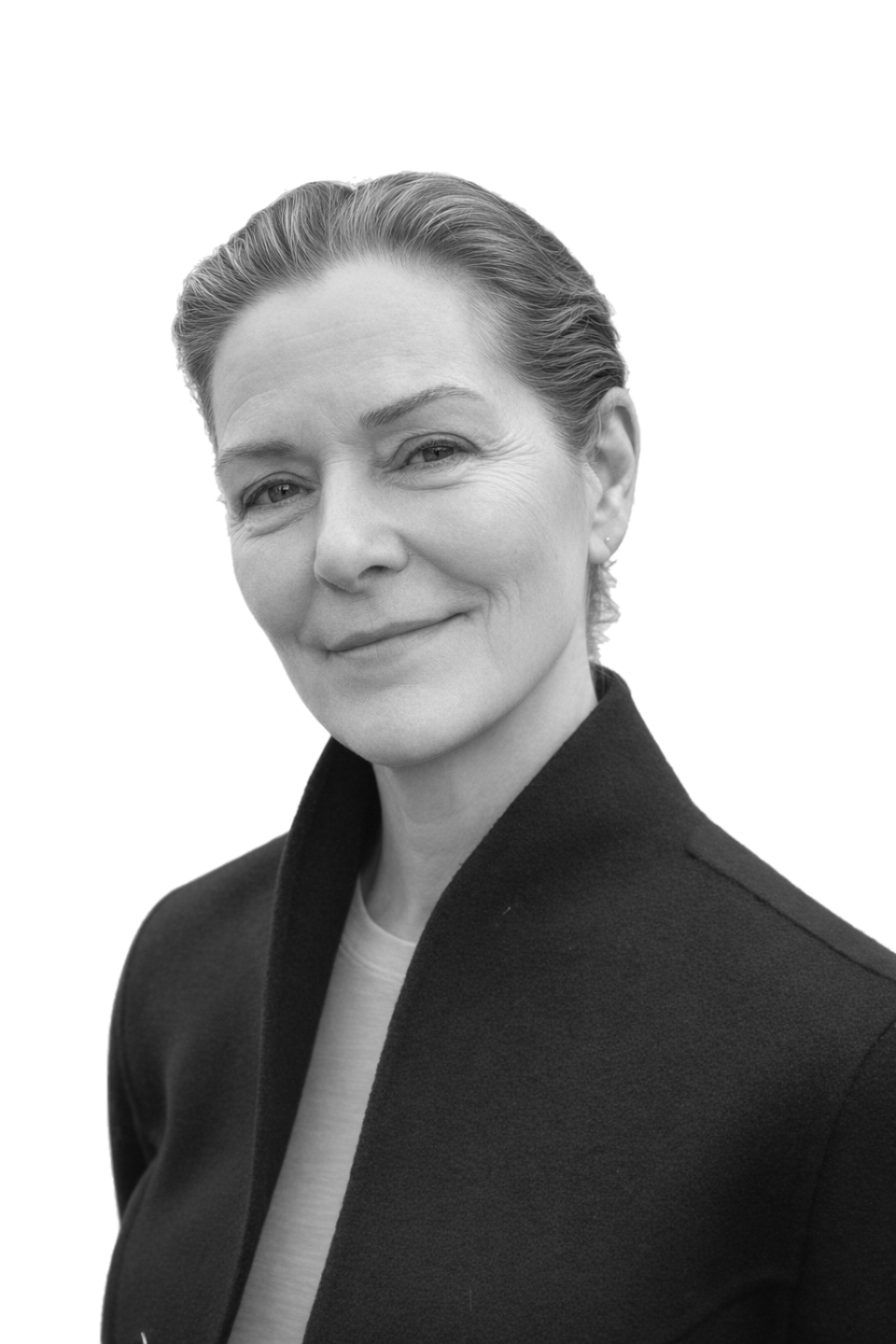
Gabriëlle Rutten is a Medical Doctor by background, with early experience in clinical research in internal medicine, followed by work in occupational medicine, where the need for practical, effective solutions shaped her approach. She has been an EFT practitioner for over 23 years and has trained professionals internationally since 2009. Her work is grounded in Gold Standard EFT Tapping and has expanded into Optimal EFT, reflecting a shift toward working with awareness, presence, and the role of consciousness in healing. Alongside a structured, evidence-informed approach, she develops practice-based protocols for trauma and PTSD, chronic conditions such as tinnitus and IBS, addictions and performance. As of 1 January 2026, she is the appointed successor to Gary Craig, continuing the development and teaching of EFT in its full scope, integrating both practical application and deeper transformative processes.
Website: https://www.noveteft.com/
More Episodes
Return to The 4th Wave in Therapy
The 4th Wave in Therapy Podcast is sponsored by EFT HQ: The world's largest online EFT Educational Resource.
Deepen your education of EFT skills through Masterclasses, training and professional development based on the latest research in Clinical EFT.
Visit EFT HQ